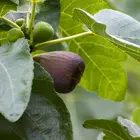

Brown Turkey Fig Tree
+/-1'
$19.95
Ships: 10/15/2026 - 06/01/2027
This product is also part of these bundles:
Description
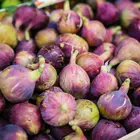
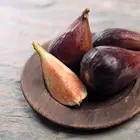
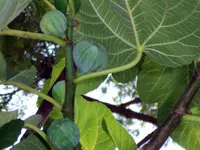
The Brown Turkey Fig Tree is an old time favorite in the southeast for fresh eating and canning whole. The medium sized, bell shaped fruits of this dwarf fig tree are purplish-brown with light pink flesh. This small, productive Turkish fig tree will produce delicious sweet figs in summer and usually a secondary crop in early Fall, which makes the Brown Turkey Fig plant a good choice for those who want to container-grow on their patio or have limited yard space. Old Brown Turkey Fig Trees have survived single digit temperatures from time to time near the Willis family farm in southern Georgia. Find top-quality Brown Turkey Fig Trees for sale at Willis Orchard Company!
Characteristics
| Fruit Color | Purplish-Brown |
| Fruit Size | 0.75 - 1.75 inch diameter |
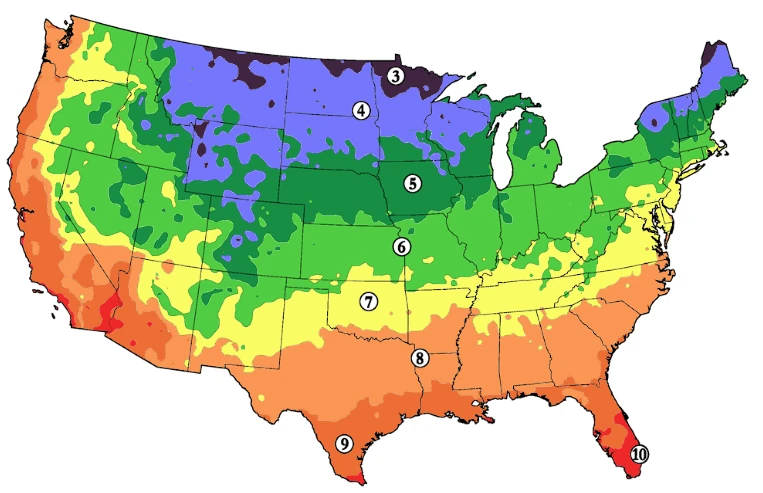
| Hardiness Zone Range | 7 - 10 |
| Pollination | Self Fertile |
| Ripens/Harvest | Breba - June-July; Main Crop - August-October |
| Shade/Sun | Full Sun |
| Soil Composition | Loam |
| Soil Moisture | Well Draining |
| Soil pH Level | 6.0-7.0 |
| Taste | Sweet |
| Texture | Soft |
| Years to Bear | 1-5 |
Related Articles
 Featured
How Big Do Fig Trees Get?
October 15, 2026 • Amsara
Fig trees are a rewarding addition to a home orchard, offering attractive foliage and abundant crops of sweet fruit. Before planting one, however, it is important to understand just how much space a mature tree may need. So, how big do fig trees get? The answer depends on the variety, growing conditions, and how regularly the tree is pruned. While some figs remain compact enough for patios and smaller yards, others can develop into substantial trees when allowed to grow naturally.
Pricing
Zones
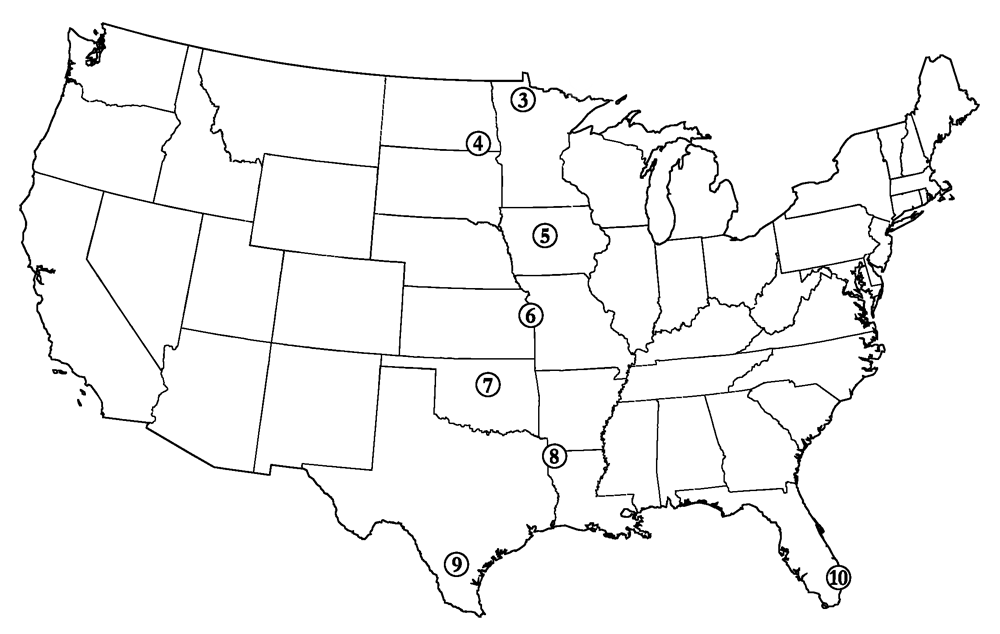
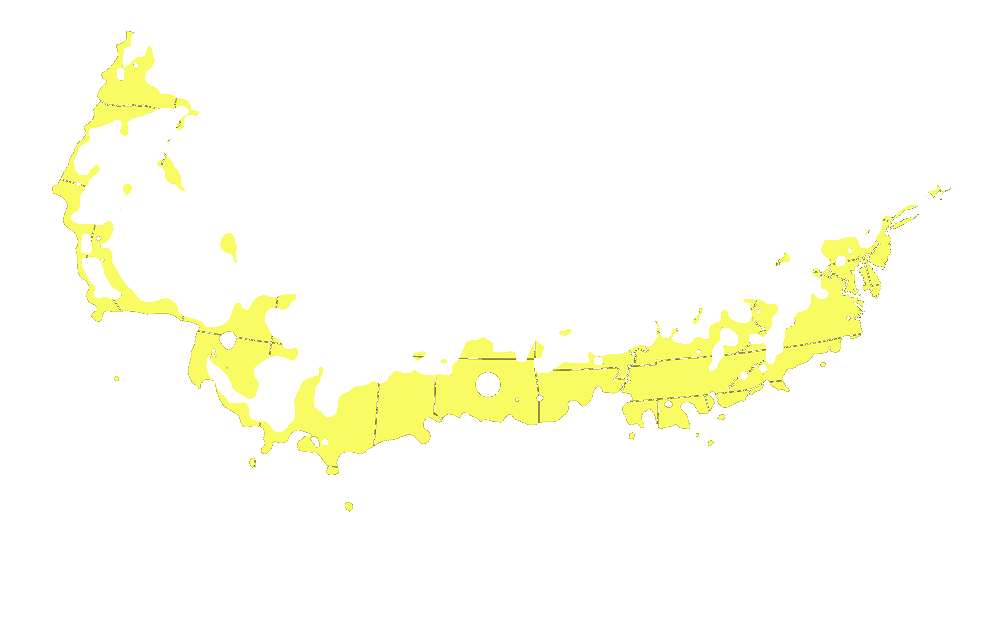
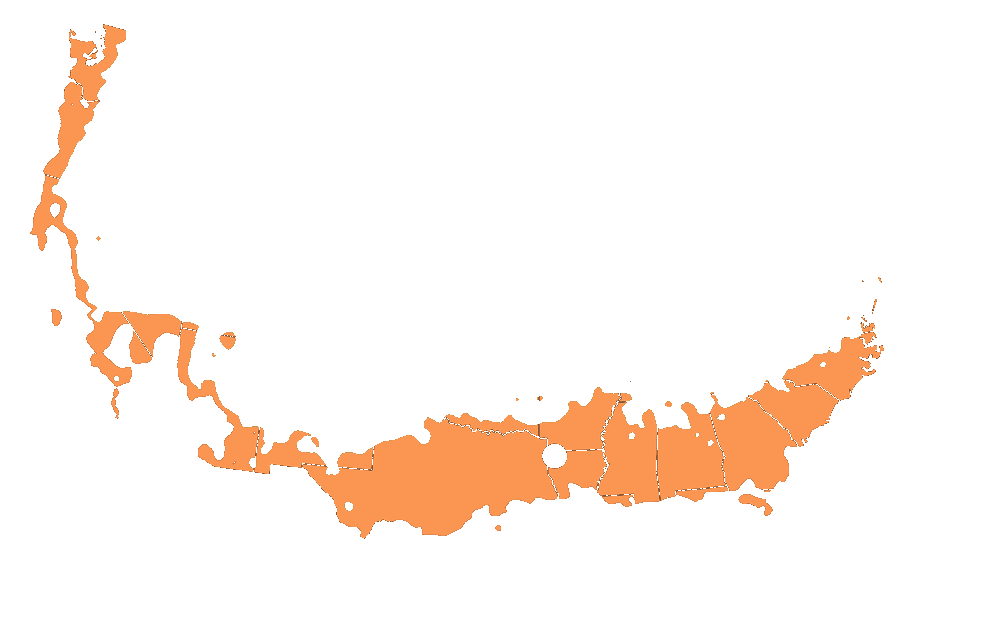
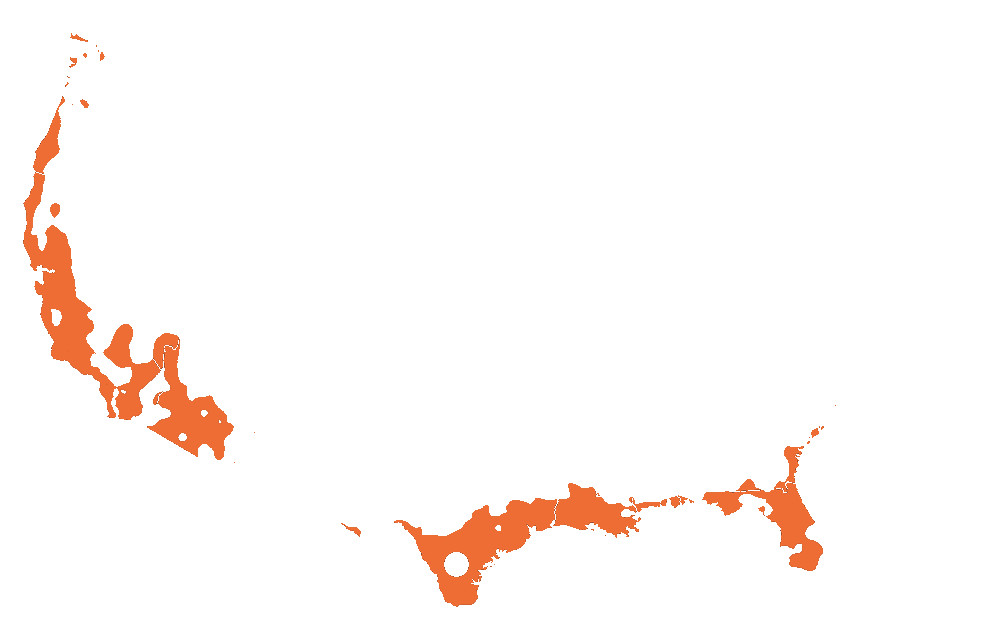
Shaded areas show where this product grows.
USDA Hardiness Zones
A hardiness zone is a geographic area defined by average annual minimum winter temperatures, helping gardeners determine which plants can survive in their region. Developed by the USDA, the 13 numerical zones indicate cold hardiness—for example, a plant "hardy to zone 10" tolerates minimum temperatures of 30 to 40 °F (−1.1 to 4.4 °C).
Grows in zones: 7 - 10
A hardiness zone is a geographic area defined by average annual minimum winter temperatures, helping gardeners determine which plants can survive in their region. Developed by the USDA, the 13 numerical zones indicate cold hardiness—for example, a plant "hardy to zone 10" tolerates minimum temperatures of 30 to 40 °F (−1.1 to 4.4 °C).